HTC’s IZN Festival Advances Collaborative Action Through Breakout Sessions
HTC’s IZN Festival Advances Collaborative Action Through Breakout Sessions
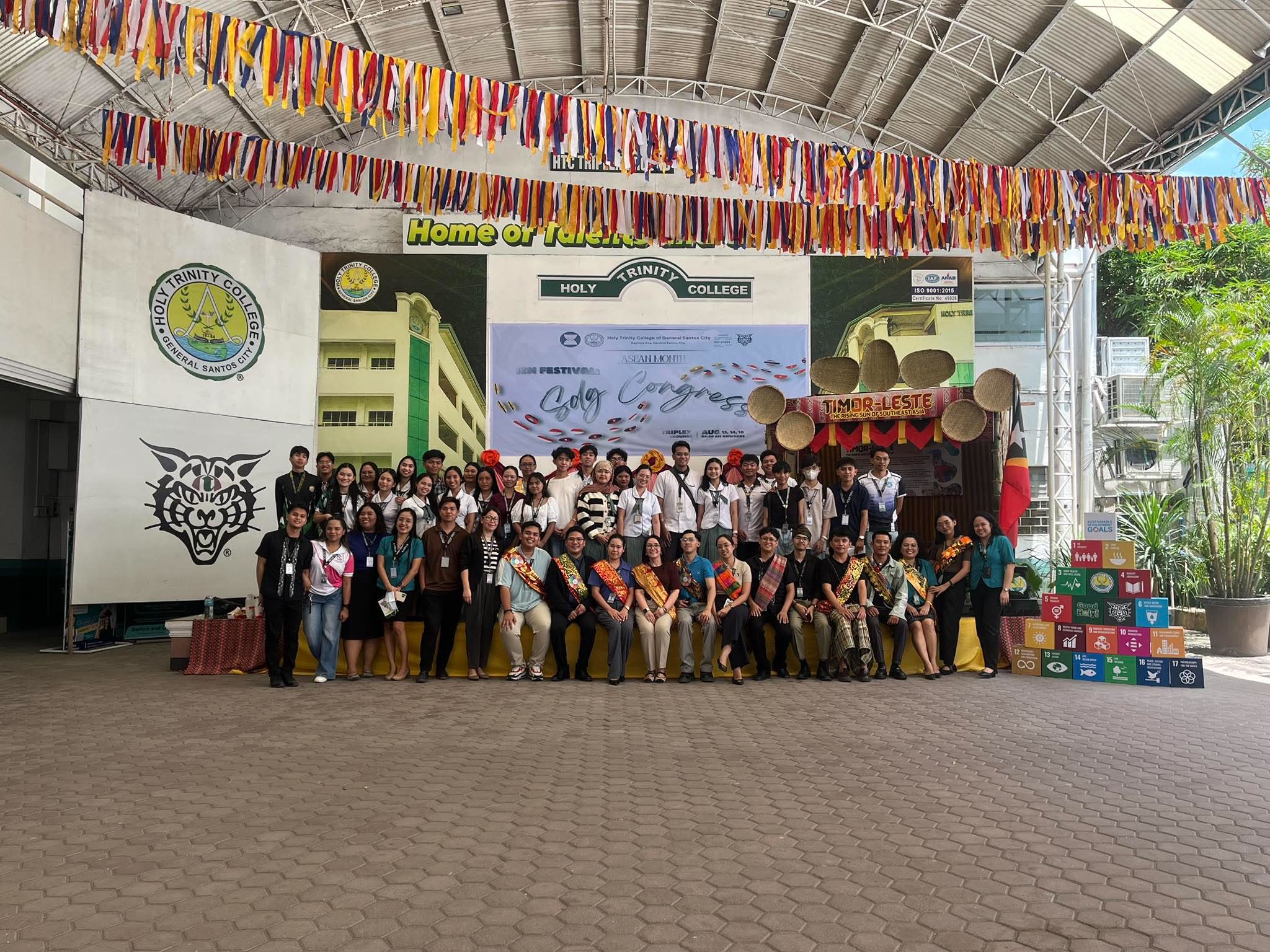
General Santos City — The second day of the IZN Festival 2026 featured the Sustainable Development Goals (SDG) Congress, bringing students, faculty, and staff together for a series of collaborative discussions and workshops centered on the 17 Sustainable Development Goals (SDGs).
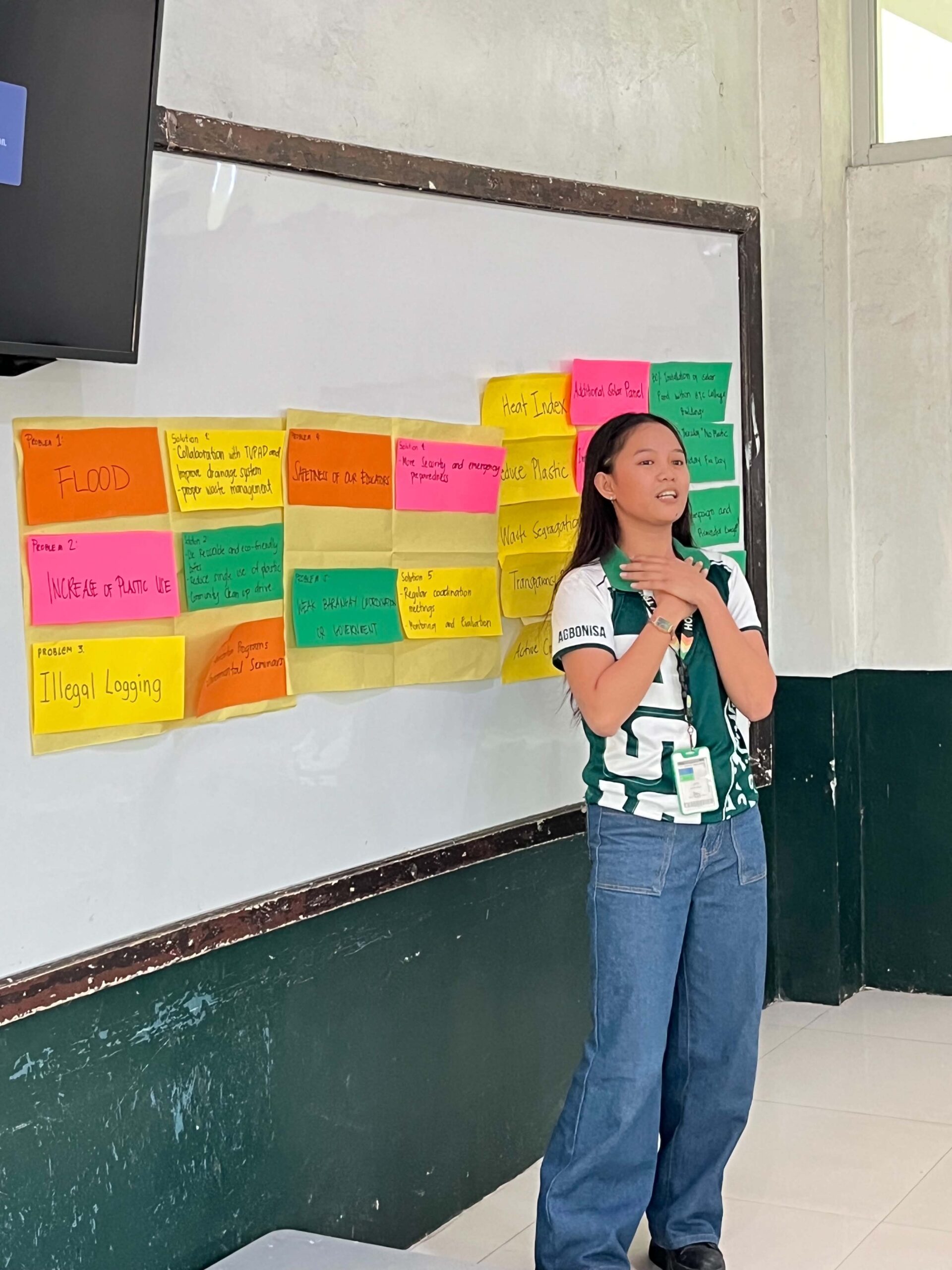
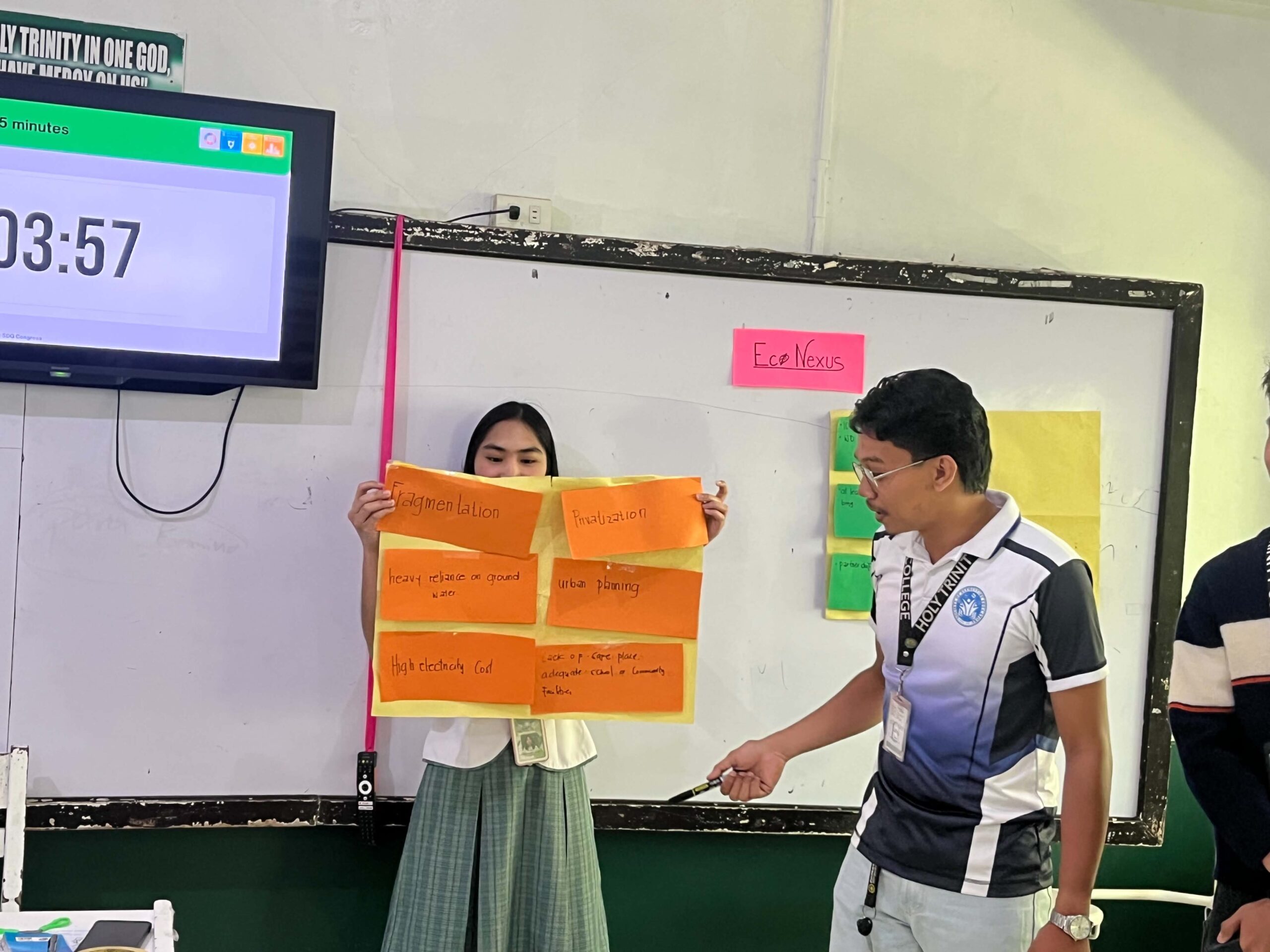
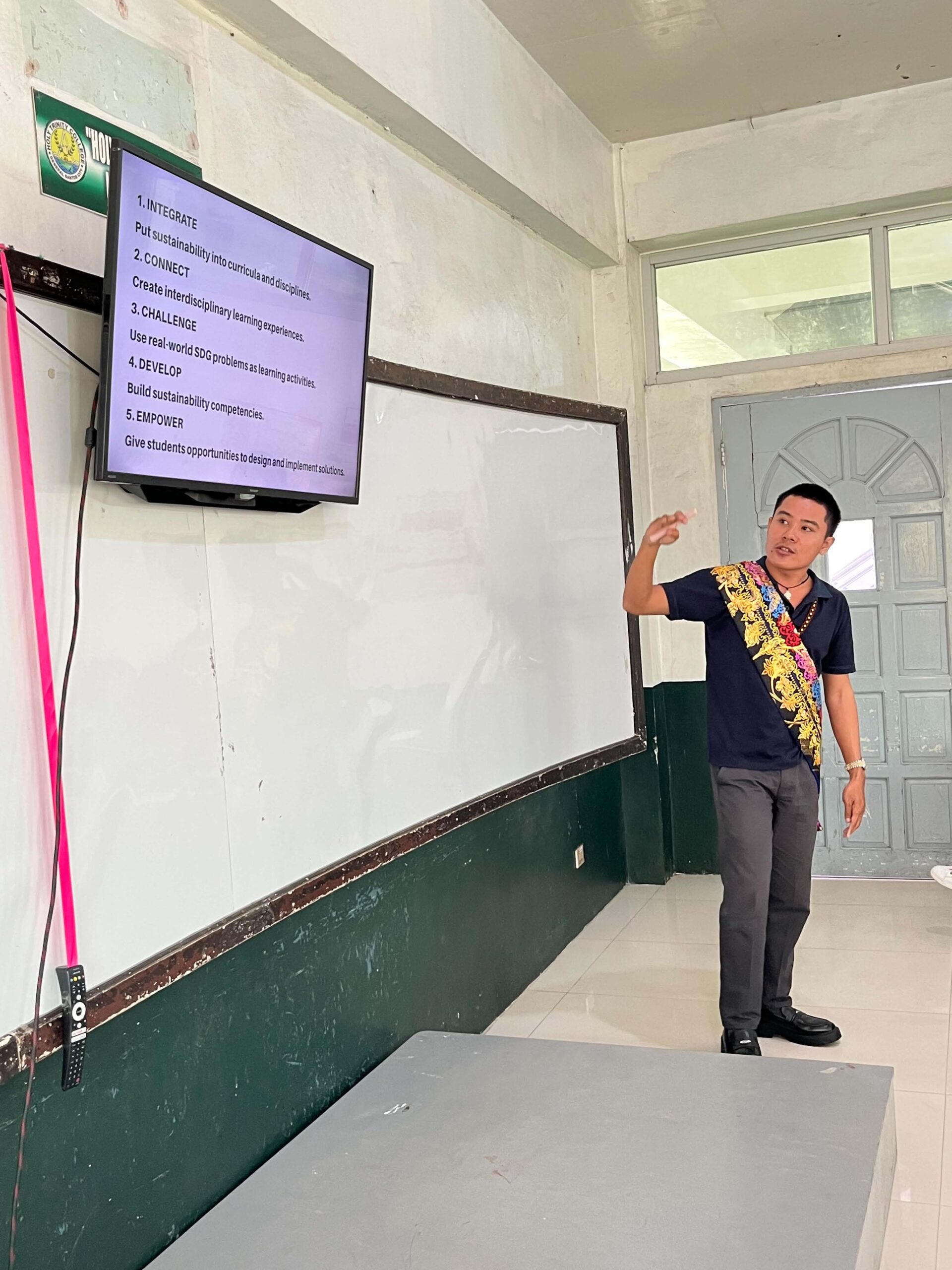
As part of the Congress, participants proceeded to their assigned breakout sessions, with each session focusing on specific SDGs. The sessions provided an interactive platform for participants to deepen their understanding of global sustainability issues and explore practical ways to contribute to sustainable development within their communities and the institution.
The five breakout sessions were organized according to clusters of the 17 SDGs. Breakout Session 1, held at EMC1, focused on SDG 1: No Poverty, SDG 2: Zero Hunger, and SDG 3: Good Health and Well-Being, with Renj BG S. Borro, MSPsy, RPsy, RPm, LPT serving as facilitator and speaker.
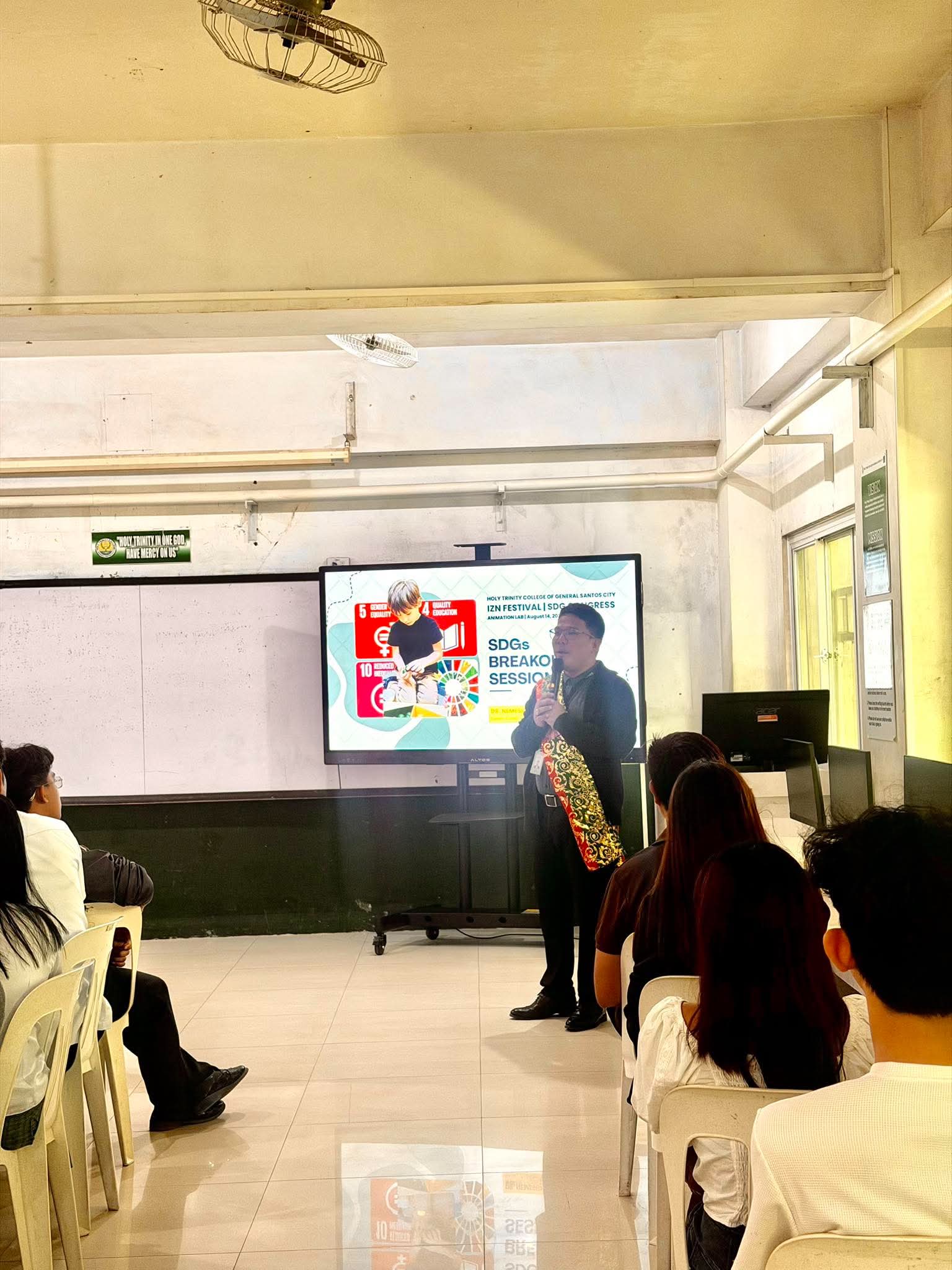
Breakout Session 2, held at the Animation Room, centered on SDG 4: Quality Education, SDG 5: Gender Equality, and SDG 10: Reduced Inequalities. The session was facilitated by and featured Dr. Nemesio F. Ocampo, Jr., LPT.
Meanwhile, Breakout Session 3, held at C28, tackled SDG 6: Clean Water and Sanitation, SDG 7: Affordable and Clean Energy, and SDG 11: Sustainable Cities and Communities. Meljie Servito, M.EdL, LPT served as facilitator, with Jysller Oliveros, LPT as speaker.
Breakout Session 4, held at C29, focused on SDG 8: Decent Work and Economic Growth, SDG 9: Industry, Innovation and Infrastructure, and SDG 12: Responsible Consumption and Production. The session was led by Joana Patling, LPT, together with Daryl Keith Barade.
Completing the five sessions was Breakout Session 5, held at C37, which covered SDG 13: Climate Action, SDG 14: Life Below Water, SDG 15: Life on Land, SDG 16: Peace, Justice and Strong Institutions, and SDG 17: Partnerships for the Goals. Gwenn Juanatas, MISDS, LPT and Alimar Udda facilitated the session.
The breakout sessions were designed to accommodate participants from the institution’s different departments, with a maximum of 20 delegates per session. Through the five parallel sessions, the entire set of 17 SDGs was explored, allowing participants to engage with interconnected issues ranging from poverty, health, education, and equality to environmental protection, institutional responsibility, and global partnerships.
Beyond simply introducing the SDGs, the Congress encouraged participants to view sustainable development as a shared responsibility. Through collaborative discussions and workshops, students, faculty, and staff were given opportunities to reflect on how their respective roles and everyday actions can contribute to addressing pressing social, economic, and environmental challenges.
The second day of the IZN Festival highlighted the institution’s commitment to embedding sustainability into its academic community and strengthening awareness of the global goals. By bringing the 17 SDGs into focused and participatory learning spaces, the SDG Congress fostered a culture of collaboration, responsibility, and action toward a more inclusive, resilient, and sustainable future.